
When we think about making a home comfortable, our minds usually jump straight to the visible, tactile details. We buy plush throw blankets, light scented candles, and layer soft rugs across hardwood floors. But after an hour or two, if the living room feels strangely chilly, if a faint draft creeps under the window sill, or if the air smells subtly damp, all those aesthetic touches fall flat. Real comfort isn’t just about soft textures; it is an ambient experience rooted in how well your physical space functions.
When a house is working against you, daily micro-annoyances silently drain your energy. A shower door that leaks onto the floor every morning forces you to clean before you even have coffee. An uneven heating system leaves one bedroom freezing while another feels like a sauna. These small friction points accumulate over time, creating a baseline level of background stress in the place where you are supposed to feel most relaxed.
To turn a house into a genuine sanctuary, you have to look beneath the surface. True everyday comfort comes from systematically upgrading the structural, mechanical, and visual environment of your living space. By addressing the invisible components of your home—the warmth of your floors, the quality of your indoor air, and the integrity of your exterior walls—you create an effortless background of peace and ease that makes your home feel welcoming every single day.
Transforming Morning and Evening Routines Through Bathroom Refinements
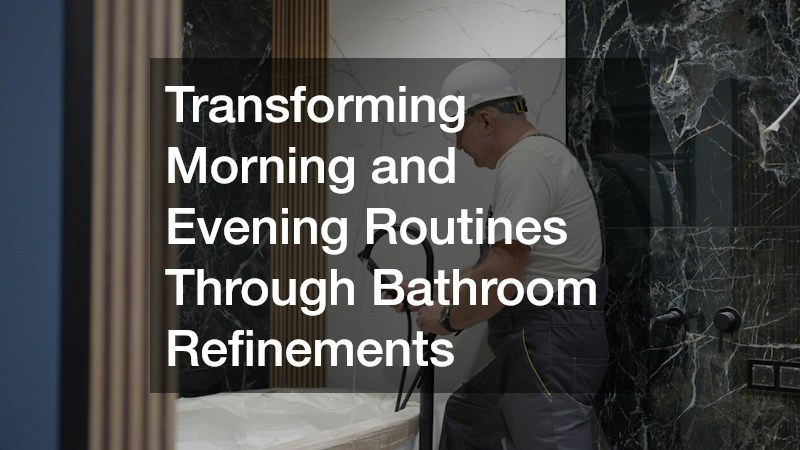
The bathroom is often where your day begins and ends, making it one of the most impactful spaces to upgrade for daily well-being. Consider a typical winter morning: waking up early, stepping out of a warm bed, and immediately dreading the icy tiles underfoot or the sudden drop in temperature when you exit the shower. That brief flash of physical discomfort sets a chaotic, unpleasant tone for the rest of your morning routine. When you enter a space that feels chilly or uninviting, your nervous system registers the shock before you have even poured a cup of coffee. Over time, these small unpleasant encounters compound, turning what should be a peaceful morning preparation into a rushed, uncomfortable chore.
Small targeted updates can eliminate these sharp transitions entirely. Installing a digital thermostatic valve in your shower allows you to set an exact water temperature that never fluctuates, even if someone starts the laundry or runs the kitchen faucet downstairs. Upgrading to frameless glass shower doors does double duty: it visually opens up a compact bathroom by allowing natural and warm artificial light to flow freely, and it creates a tight, effective seal that traps steam and warm air right where you need it most. Adding a wall-mounted heated towel rack means stepping out into immediate, enveloping warmth rather than grabbing a damp, chilled towel. Beyond the physical warmth, the visual upgrade of eliminating heavy, mildew-prone vinyl curtains instantly streamlines the room, giving it the serene ambiance of a boutique spa hotel.
When you are ready to address foundational issues, a comprehensive bathroom remodeling effort allows you to rethink the layout entirely. Placing radiant heating elements directly beneath new floor tiles transforms cold slate or ceramic into a soothing heat source that warms the room from the ground up, eliminating morning chills entirely while quietly elevating the daily rhythm of your home. Modern radiant electric matting can easily be wired into an automated timer, ensuring the floor begins warming fifteen minutes before your alarm even goes off. Combining these warm floors with upgraded moisture-resistant drywall, recessed ambient niche lighting, and quiet, high-efficiency exhaust ventilation turns a utilitarian room into an invigorating private refuge that cradles you at the start and end of every single day.
Master Tone and Temp: Optimizing Your Indoor Climate System

Living in a truly comfortable home means never having to think about the temperature inside. It should simply be right. Yet in many houses, winter brings a constant battle with thermostat settings, noisy blowing vents, and cold zones in peripheral rooms. Achieving consistent, whisper-quiet warmth requires treating your climate system as an interconnected ecosystem rather than just a furnace tucked away in a basement.
Start by optimizing the distribution of heat that your system already produces. Many homeowners assume that heating problems require massive equipment changes, but simple air balancing works wonders. By slightly closing dampers in rooms that overheat easily and ensuring return air vents are entirely clear of furniture, you force warm air toward colder spaces. Setting up smart thermostats with remote room sensors allows your system to monitor temperature where you actually sit and sleep, rather than relying on a single hallway wall reading. You can schedule these smart systems to lower temperatures during the sleeping hours to encourage deeper rest, then gently raise the ambient air heat right before you wake up. The result is a smooth, imperceptible transition in climate that perfectly tracks your household’s natural daily daily rhythm.
To guarantee reliability and quiet operation during peak winter months, schedule an annual system evaluation with a certified heating contractor. They can calibrate burner assemblies, clean blower motors to eliminate annoying rattles, and ensure your ductwork is fully sealed against air loss. For homes looking for supplemental heat or a cozy focal point in the main living space, installing a modern propane fireplace insert offers high-efficiency radiant heat at the touch of a button, providing instant visual ambiance alongside a dependable heat source during heavy storm power outages. These modern direct-vent inserts eliminate the drafts, soot, and ash associated with traditional open wood hearths while supplying a steady, clean flame that warms the body directly through radiant infrared heat, making the living room an irresistible spot for quiet evening reading.
Protecting the Exterior Envelope to Preserve Indoor Peace

The structural shell of your home is its first line of defense against the outside world. When that shell weakens, the indoor environment suffers immediately. You might feel it as a faint draft across your ankles while reading on the couch, or hear it as excessive street noise cutting through thin, poorly insulated walls. Maintaining a peaceful interior requires systematically closing the gaps in your home’s exterior defenses.
- Seal perimeter openings: Inspect the framing around window units and exterior doors. Old, cracked caulk or flattened weatherstripping lets cold air infiltrate your living space. Applying fresh elastomeric sealant and replacing worn door sweeps eliminates drafts and stabilizes room temperatures instantly.
- Perform proactive overhead checks: Inspect your roofline from the ground using binoculars, or step into the attic on a bright day to look for pinpoint light leaks. Spotting damaged flashing early allows you to book a prompt roofing repair, preventing water from seeping into insulation and ruining interior ceiling finishes.
- Acoustically dampen exterior walls: Sound travels through air gaps just as easily as cold air does. Sealing around outdoor wall penetrations—such as dryer vents, hose bibs, and electrical entrances—with expanding foam insulates against both weather and neighborhood noise pollution.
- Schedule non-invasive moisture audits: Hidden plumbing or exterior leaks inside walls create damp conditions long before water stains appear on plaster. Arranging professional leak detection helps identify slow, hidden trickles behind walls or beneath flooring, protecting your home’s structural integrity before major damage occurs.
Beyond these technical fixes, safeguarding your building envelope creates a deep psychological sense of security. When heavy rain pours outside or high winter winds howl through the trees, knowing your home is tightly sealed allows you to settle into your indoor spaces with complete ease. A tight building envelope also shields your home from seasonal dust, pollen, and outdoor smoke, ensuring that the air within your sanctuary remains as physically refreshing as it is mentally comforting.
Managing Exterior Trees to Optimize Light and Safety

The landscape immediately surrounding your home plays a surprisingly large role in how comfortable your indoor spaces feel. Large trees provide valuable shade during hot summer months, but without proper care, they can block essential winter sunlight, trap moisture against your siding, or create a lingering sense of worry during severe weather. Imagine sitting in your living room during an autumn rainstorm, listening to heavy branches scrape relentlessly against the roof shingles above you. That persistent scratching sound keeps your brain in a subtle state of high alert, completely undercutting whatever relaxation you were hoping to find inside.
A dense, overgrown tree canopy can also turn interior living spaces dark and gloomy during late fall and winter. By selective crown thinning—removing specific interior branches—you allow low-angle natural sunlight to penetrate your living room windows. This natural light brightens your home organically, naturally warms living space floors, and boosts your mood on dreary afternoon days. Solar gain from well-lit south-facing windows can even reduce your reliance on daytime artificial lighting, creating a softer, more dynamic visual environment that shifts gracefully as the afternoon sun progresses.
To handle large overhead branches safely, hire an experienced tree service. Professional arborists can trim limbs that overhang your roofline, preventing damp leaves from piling up in rain gutters and stopping heavy branches from scraping against window frames during windy nights. When a mature tree suffers from internal decay or severe root damage, complete tree removal is often the safest choice. Clearing away an unstable tree eliminates constant storm anxiety and opens up clear sightlines, letting vibrant natural light flood back into your home. The physical opening of the sky above your roofline often translates directly into a broader, airier feeling inside your home’s main gathering zones.
Elevating Indoor Air Quality and Structural Flow
True comfort is as much about what you breathe and how effortlessly you move through a space as it is about temperature. In well-sealed homes, indoor air quality can degrade rapidly, leading to stale air, lingering odors, and heightened allergy symptoms. At the same time, awkward floorplan layouts can make daily routines feel clunky and restricted. When you walk into a room with choppy sightlines, crowded walkways, or heavy, static air, your mind registers a subtle feeling of confinement.
When moisture gets trapped in quiet spaces like basements, crawlspaces, or behind bathroom walls, airborne spores can quickly compromise your home’s air quality. If you notice a persistent musty smell that doesn’t disappear with open windows, partnering with certified mold removal companies guarantees that hidden spores are safely isolated and eradicated, restoring clean, crisp air throughout your living environment. Pair this remediation with high-MERV central HVAC filtration or freestanding HEPA units to clear fine particulate matter, pet dander, and volatile organic compounds from every corner of the house. Clean, scent-neutral air forms the quiet baseline of true domestic tranquility.
Beyond clean air, the physical layout of your home determines how relaxed you feel moving between spaces. Tight doorways, dark hallways, and awkward transitions between the kitchen and living areas create subtle physical bottlenecks during busy daily routines. Moving through a house shouldn’t feel like navigating an obstacle course; your layout ought to encourage smooth, organic movement from room to room.
Collaborating with skilled home remodelers allows you to rethink these spaces holistically. Removing non-load-bearing walls creates wide, connected living zones where family members can cook, work, and relax in the same shared environment without feeling cramped. Widening doorways, adding built-in storage solutions to clear visual clutter, and maximizing natural light sources all work together to create a calm, organized atmosphere. When your home moves fluidly and breathes easily, daily stress naturally fades into the background.
Creating Your Long-Term Comfort Strategy
Building a truly comfortable home is not an overnight project, nor is it about following short-lived interior design trends. It is a thoughtful, step-by-step process of addressing the underlying functional aspects of your living space. By focusing on how your home holds heat, controls light, manages air quality, and accommodates your daily routines, you create an environment that actively supports your well-being.
Start small by addressing the minor annoyances you notice every day—a drafty window, a noisy heating vent, or poor lighting in a main hallway. As you resolve these small issues, build toward larger structural and mechanical updates that protect your home and elevate your lifestyle. Over time, these combined improvements transform your living space from a simple place to stay into an effortless, welcoming sanctuary where you can truly relax.