A cozy home is easy to picture: soft lighting, warm blankets, quiet rooms, and a living space that feels settled at the end of a long day. But comfort is not only created by what you bring into a room. It is also shaped by what your home keeps out.
Cold air under a door, dampness along a wall, a noisy draft during a storm, or one room that never stays warm can all make a home feel less inviting. These issues are easy to ignore because they do not always look serious at first. Still, over time, they change how your home feels.
Weatherproofing helps improve the barrier between indoor living spaces and outdoor conditions. It reduces drafts, limits moisture, steadies indoor temperatures, softens outside noise, and helps your home feel more protected through every season.
Sealing Gaps Around Doors, Windows, and Entry Points

The first place many homeowners notice discomfort is near an exterior door or window. Maybe the floor feels cold by the front entry. Maybe the curtains move slightly when the wind picks up. Maybe the room next to the garage always feels cooler than the rest of the house.
Small gaps can have an outsized effect on comfort. Air moves through worn weatherstripping, loose thresholds, cracked caulk, and poorly sealed frames. During winter, that movement makes rooms feel chilly even when the thermostat says the temperature is fine. During summer, humid air can slip inside and make cooling less effective.
Start with a simple walk-through on a windy or cold day. Check windows, exterior doors, basement entries, attic hatches, and doors leading to attached garages. Look for daylight under doors, brittle seals, peeling caulk, or trim that has pulled away.
An attached garage deserves extra attention because it often shares walls or ceilings with living areas. If the garage door does not close evenly, leaves visible gaps, or allows cold air and moisture inside, garage door repair can help restore a tighter boundary.
A few practical improvements can make a quick difference:
- Replace worn door sweeps before the coldest months arrive.
- Recaulk window frames where old caulk has cracked.
- Add foam gaskets behind outlets on exterior walls.
- Use heavier curtains in rooms that feel cold after sunset.
Preventing Moisture From Reaching Interior Walls
A home can look beautiful inside and still feel uncomfortable if moisture is working through the exterior. Dampness can make walls feel cold, create musty smells, cause paint to bubble, or leave corners feeling clammy.
Moisture often begins outside long before it shows up as an obvious interior stain. Cracks in exterior finishes, gaps around windows, damaged flashing, and worn sealants can give rainwater a path inward. Once moisture settles behind walls, it can affect insulation, indoor humidity, and air quality.
For homes with stucco surfaces, even narrow cracks should not be dismissed. Stucco repairs can help close vulnerable areas before water has a chance to move deeper into the wall system. Addressing small cracks early is usually far less disruptive than dealing with moisture damage after it spreads.
Inside, pay attention to subtle signs. A musty smell behind a couch, condensation on certain windows, or paint that keeps peeling in the same area can point to a moisture issue. The coziest rooms feel dry, clean, and stable, and moisture control is a quiet but important part of that comfort.
Protecting the Upper Barrier of the Home
When people think about cozy interiors, they may not immediately think about the roof. Yet the top of the house plays a major role in how comfortable the inside feels. It shields the structure from rain, snow, wind, heat, and debris.
You do not need to climb onto the roof to spot early warning signs. Check from the ground with binoculars or from upper windows where safe. Missing shingles, curled edges, sagging areas, dark streaks, and debris collected in valleys can all suggest that the home’s upper barrier needs attention.
Gutters matter too. When they clog, water may back up under roof edges or spill down exterior walls. That water can contribute to dampness, foundation issues, and exterior wear.
A professional roofing service can inspect areas that are hard to evaluate from the ground, including flashing, vents, chimneys, valleys, and underlayment. If an issue is found early, roof repair may prevent water from reaching insulation, ceilings, or interior walls.
The comfort connection is easy to underestimate. Damp insulation does not perform well. Attic air leaks can pull conditioned air out of living spaces. By keeping the upper barrier in good condition, homeowners protect both the structure and the feeling of warmth inside.
Recognizing When Patching Is No Longer Enough
Repairs are useful when damage is limited and the rest of the system is sound. But there comes a point when repeated patching stops solving the larger problem. A home may still be livable, yet it feels harder and harder to keep comfortable.
This often happens gradually. One year there is a small leak around a vent. The next year, shingles loosen in another area. Later, the attic feels hotter than usual in summer or colder than expected in winter. Individual symptoms get fixed, but overall performance keeps declining.
At that stage, roof replacement may be worth considering as part of a long-term comfort plan. It is a larger investment than a small repair, but it can make sense when existing materials are failing in multiple places or when maintenance has become frequent.
Some signs deserve closer attention:
- Leaks appear in more than one area.
- Granules collect repeatedly in gutters.
- Roofing materials look curled, cracked, or brittle.
- Daylight can be seen from inside the attic.
- Insulation is damp, compressed, or stained.
Thinking about replacement before a crisis gives homeowners time to compare materials, understand ventilation needs, and choose upgrades that support comfort as well as protection.
Improving Temperature Control Room by Room
Weatherproofing also affects how well your home’s systems can do their job inside. If a house has drafts, air leaks, weak insulation, or poor ventilation, heating and cooling equipment has to work harder to create the same comfort.
A useful way to begin is room by room. Instead of thinking, “The house is uncomfortable,” identify where the problem is strongest. Is one bedroom always hot in summer? Does the room over the garage feel cold in winter? Does the living room feel stuffy while the hallway feels fine?
Once you find the pattern, the cause becomes easier to narrow down. A room may have blocked vents, leaky ducts, poor insulation, too much sun exposure, or air leaks around windows.
Experienced ac contractors can help determine whether uneven comfort is related to airflow, ductwork, insulation, system size, or cooling performance. If the system runs constantly, blows warm air, short cycles, makes unusual noises, or fails to remove humidity, ac repair may also be necessary.
Before assuming the worst, start with basics. Replace clogged filters, keep vents clear, seal visible duct gaps in accessible spaces, and use ceiling fans correctly for the season. The most comfortable homes are the ones where the structure, insulation, airflow, and equipment work together.
Balancing Airflow for a Fresher Indoor Feel
A cozy home should not feel sealed up and stale. It should feel fresh without being drafty, warm without being stuffy, and protected without feeling heavy. Airflow plays a big part in that balance.
Poor airflow can create strange comfort problems. A bedroom may smell stale in the morning. A finished basement may feel damp even when it is clean. A kitchen may hold cooking odors too long. Some rooms may feel dry and chilly while others feel humid and heavy.
A trusted HVAC company can evaluate airflow, duct condition, humidity control, and overall system performance. This can reveal issues homeowners may not see, such as undersized returns, poorly balanced ducts, or ventilation problems affecting certain rooms.
Simple habits help too. Use bathroom fans during showers and leave them running briefly afterward. Run the kitchen exhaust fan when cooking creates steam or strong odors. Keep return vents clean, and avoid pushing large furniture directly against vents.
Humidity also deserves attention. Too much moisture makes rooms feel clammy. Too little can make air feel harsh, dry, and colder than it is. When airflow and humidity are balanced, the home feels more restful.
Strengthening the Outer Shell Against Wind and Rain
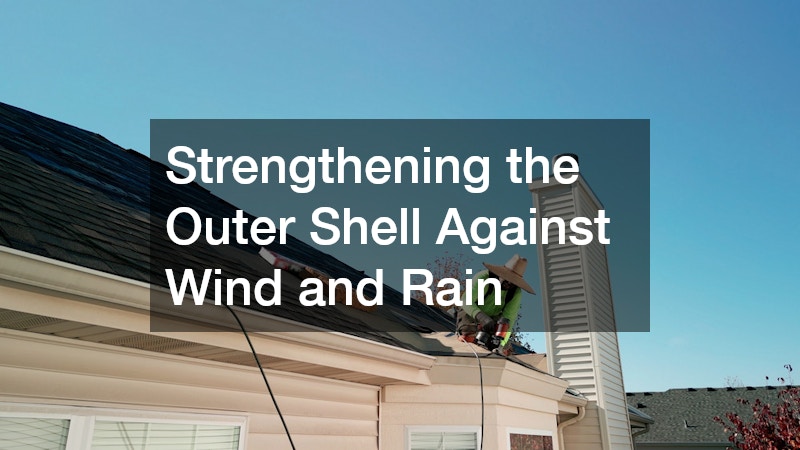
The outside of the home works like a protective shell. It includes the roof, walls, siding, trim, windows, doors, seals, and drainage details that separate indoor life from outdoor weather. When that shell is strong, the home feels more peaceful. When it is weak, the indoors can feel exposed.
Wind-driven rain, shifting temperatures, and seasonal storms test this shell again and again. Over time, caulk cracks. Trim separates. Siding loosens. Small gaps open around utility lines. These changes may seem cosmetic, but they can affect comfort by allowing air, moisture, pests, and noise to enter.
A seasonal exterior walkaround is one of the most useful habits a homeowner can build. Look at corners, window trim, door frames, foundation edges, and areas where different materials meet. These transition points are often where weatherproofing fails first.
Professional home exterior services can help identify connected issues rather than treating each symptom separately. If siding is cracked, warped, loose, or poorly sealed, a siding contractor can help determine whether repair or replacement is the better option.
Well-maintained siding does more than improve curb appeal. It helps shed water, reduce wind intrusion, and protect the layers underneath.
Checking Insulation Before Adding More
Insulation is often described as if more is always better, but that is not the whole story. Insulation works best when air leaks are sealed first and moisture problems are under control. Adding new material over damp, compressed, or poorly placed insulation can hide problems without improving comfort much.
Attics are a good place to begin because they often reveal how well the home is managing temperature. Uneven insulation, bare spots, darkened areas from air movement, or damp patches can all point to performance issues. Floors above garages, crawl spaces, knee walls, and rim joists are also common problem areas.
The order of work matters. First, identify air leaks. Then address moisture. After that, improve insulation levels where needed. This sequence helps the home hold temperature more effectively and avoids trapping moisture where it can cause damage.
Insulation also needs ventilation support, especially in attic spaces. A well-balanced attic helps reduce summer heat transfer, limit winter moisture problems, and make nearby rooms feel more consistent.
Building Seasonal Habits That Prevent Discomfort
Weatherproofing becomes easier when it is treated as a rhythm rather than a reaction. Instead of waiting until a room feels freezing or a leak appears, homeowners can use seasonal check-ins to catch small issues early.
In spring, look for damage left behind by winter. Check for cracks, loose materials, clogged gutters, and areas where water may have pooled.
In summer, pay attention to cooling comfort. Rooms that feel unusually hot may be pointing to attic heat, poor airflow, weak insulation, or sun exposure. Watch indoor humidity as well.
Fall is the season for sealing. Replace worn weatherstripping, check door sweeps, clear gutters, and look for gaps before colder weather arrives.
Winter offers real-time feedback. Notice where drafts appear, which rooms feel coldest, and whether windows show excessive condensation. These clues can guide your next round of improvements.
Choosing Upgrades That Support Comfort and Protection

Some home upgrades make a room look nicer. Others make the home feel better every day. The best weatherproofing improvements often do both, even if their biggest benefits are not immediately visible.
Storm doors can reduce drafts at busy entries. Better attic insulation can make upper rooms more stable. Sealed ductwork can improve airflow. Insulated garage doors can help nearby rooms feel less exposed. High-quality exterior caulk can stop small leaks before they become bigger problems.
The key is to prioritize the upgrades that solve real discomfort. If the living room feels cold near the windows, start there. If the upstairs is hot every summer, look at attic insulation and ventilation. If the basement smells damp after storms, focus on moisture control before cosmetic changes.
A comfort-first approach also helps homeowners avoid wasting money. Turning up the heat will not fix a drafty door. Buying a larger cooling system will not solve poor insulation. Painting over a water stain will not stop moisture from returning. Durable comfort comes from addressing causes, not covering symptoms.
Creating a Home That Feels Protected in Every Season
A cozy home is not just decorated well. It is protected well. It feels warm when the weather turns cold, dry when the rain comes down, fresh when the windows are closed, and steady when outdoor conditions change.
Weatherproofing supports that feeling in practical ways. It seals the places where drafts sneak in. It helps keep moisture outside. It protects the upper and outer parts of the house. It allows indoor systems to work more efficiently.
Start small. Walk through your home and notice what you feel. Is there a draft near the floor? Does one wall feel colder than the others? Does a room smell damp after rain? Does the upstairs change temperature too quickly? These observations tell you where comfort is being lost.
Small improvements made consistently can transform the way a home feels. Over time, the house becomes quieter, drier, warmer, cooler, and easier to live in. That is the kind of coziness that lasts well beyond a single season.